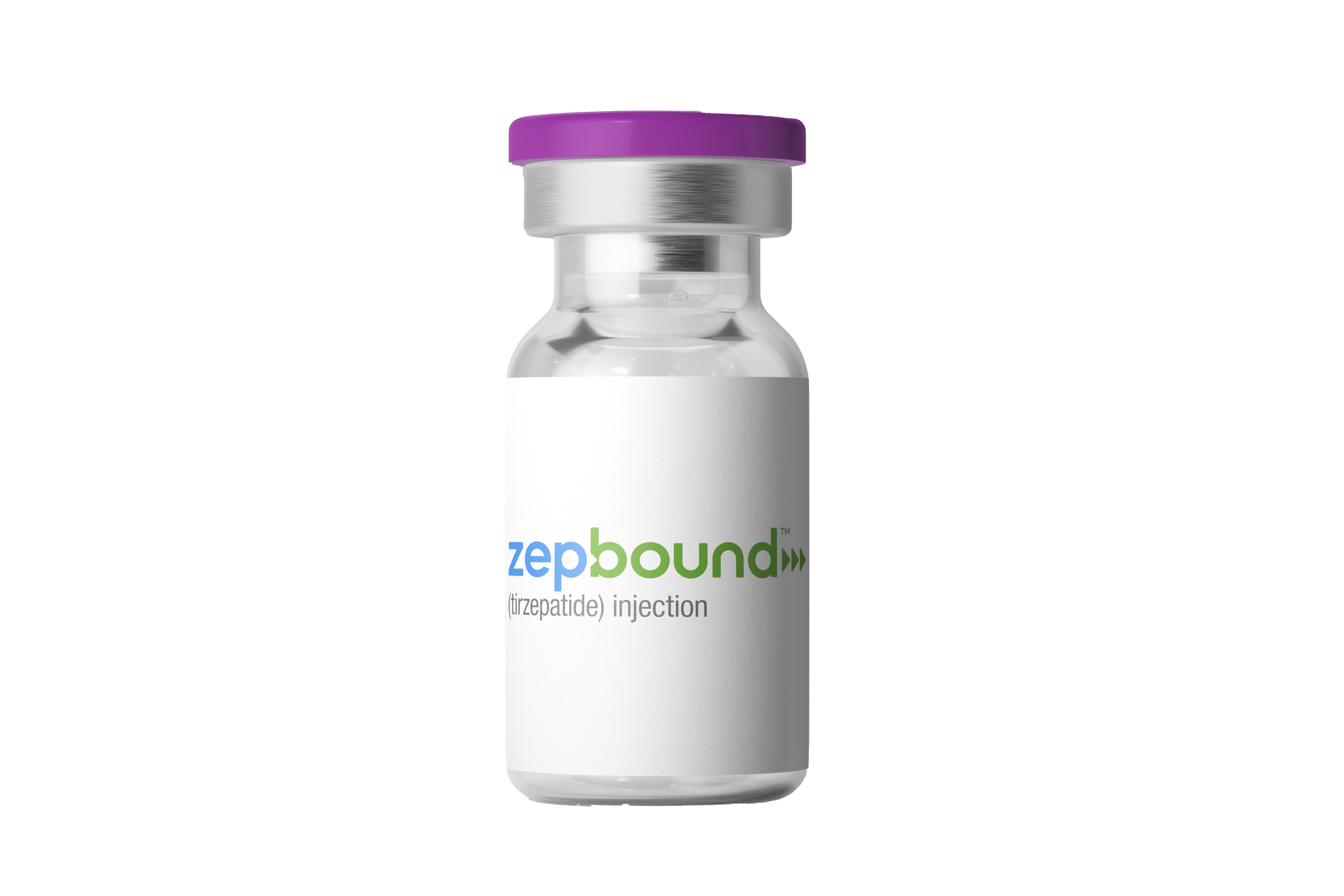
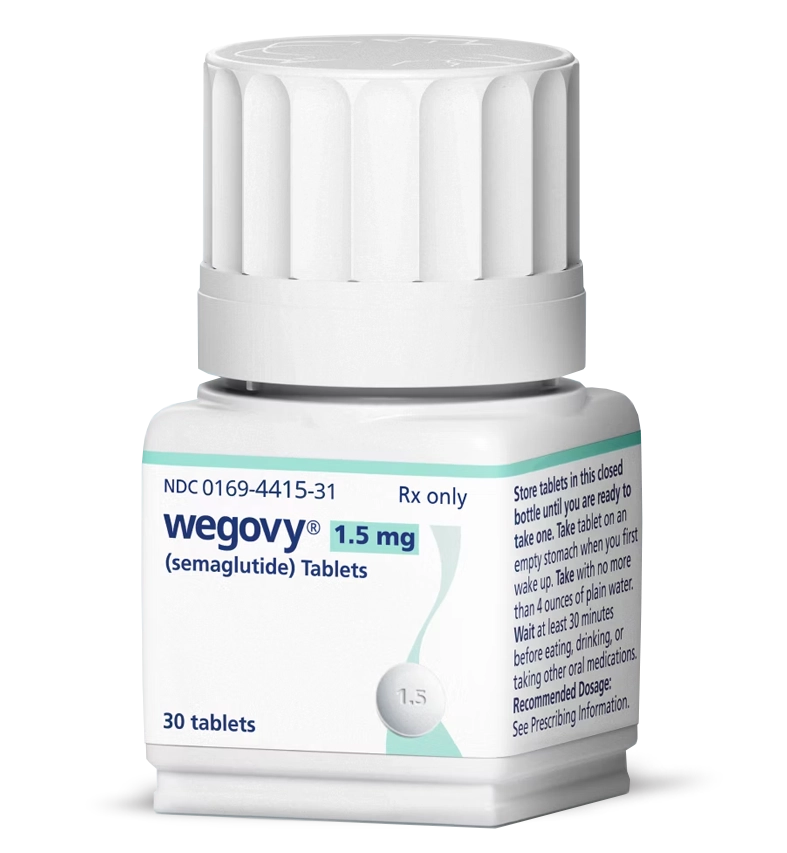
Book Your Semaglutide Consultation Today Ready to take the next step
KaplanMeier survival analysis revealed that the IGH group exhibited significantly poorer survival outcomes compared to the IGL group, suggesting that GSH may contribute to neoadjuvant chemotherapy resistance and lead to a worse prognosis in breast cancer patients
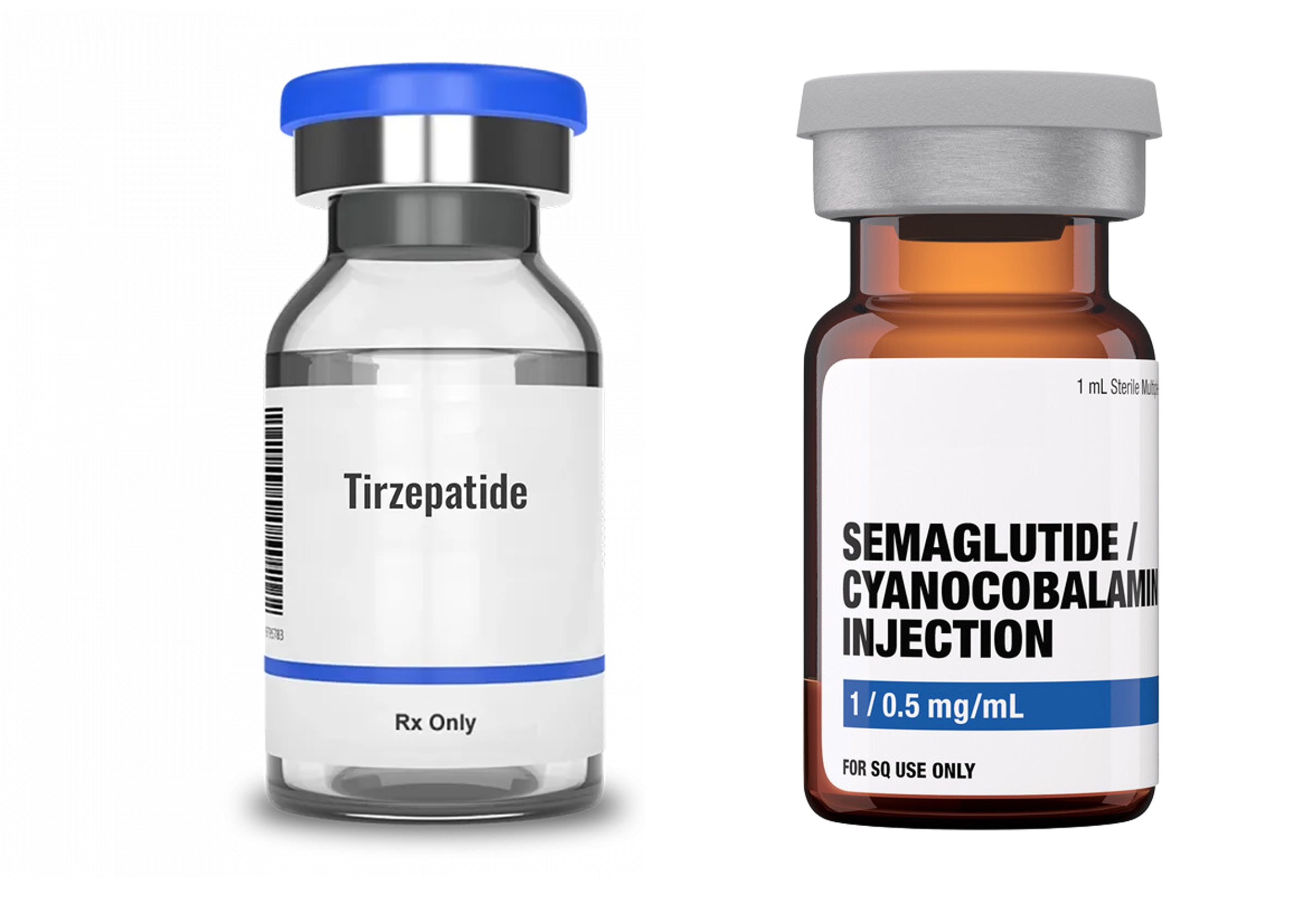
Primary risk factors for peptic ulcers include: Helicobacter pylori infection the leading cause of peptic ulcers worldwide, present in approximately 30-40% of US adults NSAID use including ibuprofen, naproxen, and aspirin, which disrupt the protective gastric mucosa Smoking increases the risk of ulcer development and impairs healing Excessive alcohol consumption can damage the gastric lining and increase acid production Physiological stress severe illness, major surgery, or critical care situations Previous ulcer history significantly increases recurrence risk Medication combinations concurrent use of NSAIDs with anticoagulants, antiplatelets, or selective serotonin reuptake inhibitors (SSRIs) increases bleeding risk Patients with obesity often have overlapping risk factors that may coincide with weight loss treatment

In contrast, the GLP-1R agonists disclosed herein are traditional small molecules that are orally bioavailable in standard formulations (e.g., methylcellulose) and have the potential to be combined with other oral small-molecule therapeutics
:max_bytes(150000):strip_icc()/Health-GettyImages-2153927815-0bf99cd73e2c46908d7fc0973739f6d0.jpg)