For many, a typical starting dose might be around 100 mcg administered subcutaneously one to three times a day
Foods That Help Manage GLP-1 Side Effects Foods to Eat: For nausea: Ginger tea, plain crackers, white rice, bananas For constipation: Prunes, chia seeds, leafy greens, whole grains For energy: Lean proteins, quinoa, Greek yogurt, eggs For hydration: Watermelon, cucumber, bone broth, coconut water Foods to Avoid: Trigger nausea: Fried foods, spicy dishes, strong-smelling foods Worsen constipation: Processed foods, excessive dairy, white bread Cause bloating: Carbonated drinks, beans, cruciferous vegetables Delay stomach emptying: High-fat meals, large portions, alcohol Staying Alert for Adverse Interactions With Other Prescribed Medications in GLP-1 Therapies As with any sort of drug, GLP-1 receptor agonists have risks that sometimes only surface in interactions with other kinds of drugs

When starting Vitamin B12 therapy, its not unusual for individuals to grapple with questions like, Feeling worse after my B12 injection, is that natural? This period, often termed as a healing crisis, can manifest through symptoms such as: Enhanced feelings of fatigue, tiredness, and increased sleep requirements Sensations akin to mild flu-like symptoms or body aches Experiences of headaches, nausea, or feelings of being lightheaded A foggy mind and challenges with concentration Mood fluctuations including irritability, anxiety, or a subdued mood Alterations in appetite and digestive patterns Contrary to being seen as an adverse reaction, these symptoms are essentially indicative of the body acknowledging and adapting to the surge of B12
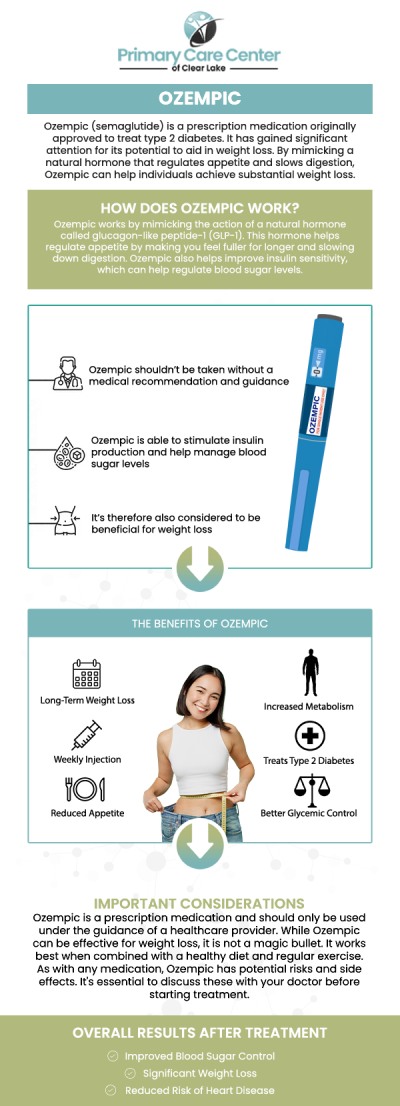
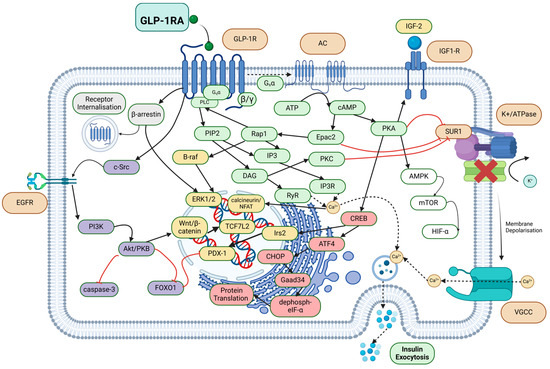
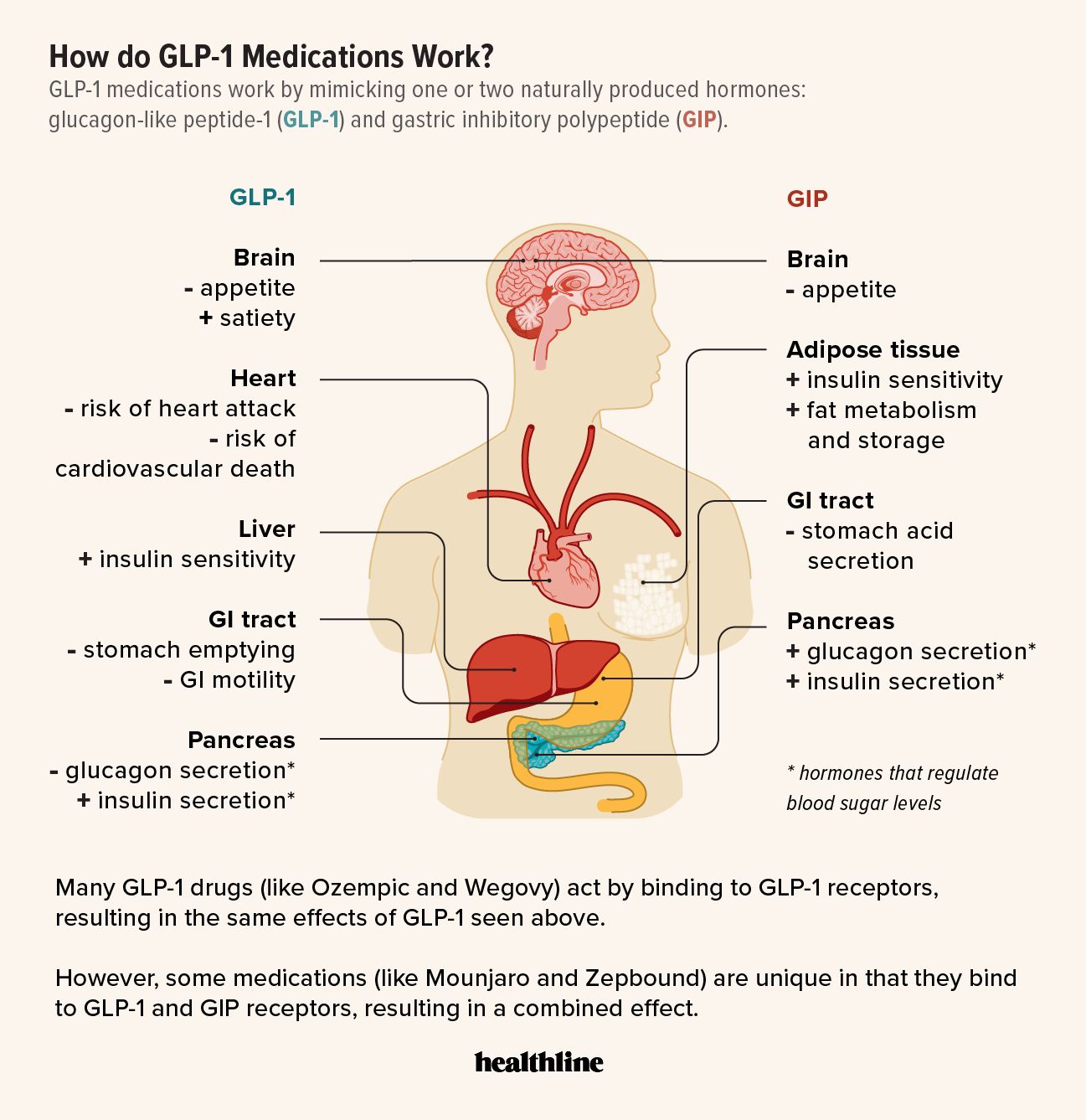
Unlike previous anti-obesity medications, many of which worked by suppressing appetite, this class of medications works in a completely different way










![The Wise Mothman (Surge Foil) [Fallout] Angel Demon](https://cdn.shopify.com/s/files/1/0117/3900/4994/files/16a1d611-6f5f-40af-8ca3-b9dc619111eb_4887d095-6c9c-43ea-8139-8b7bbd3bae60.png?v=1757136349)
