10.1155/2020/1569456 25 PakK.SeoS.LeeM
L-carnitine supplementation at this critical juncture may enhance the body's capacity to oxidize released fatty acids, potentially improving: Fat oxidation efficiency: Enhanced mitochondrial function supports greater utilization of mobilized fat stores Energy levels: Improved fatty acid metabolism may reduce fatigue often associated with caloric restriction Muscle preservation: L-carnitine's role in protein metabolism may help maintain lean body mass during weight loss Metabolic flexibility: Better substrate utilization may improve metabolic health markers beyond weight alone Clinical Evidence and Emerging Research While large-scale studies specifically examining tirzepatide or semaglutide combined with L-carnitine remain limited, individual component research provides compelling support: A 2023 meta-analysis in Obesity Reviews demonstrated that L-carnitine supplementation contributed to significant additional weight loss compared to placebo, with an average reduction of 1.3 kg (2.86 lbs) over 12 weeks

Core compounds: BPC-157: 300 to 500 mcg, twice daily TB-500: 2.5 mg, twice weekly for first 4 weeks, then once weekly GHK-Cu: 200 to 500 mcg, once daily Duration: 6 to 8 weeks minimum, with reassessment intervals every 2 weeks
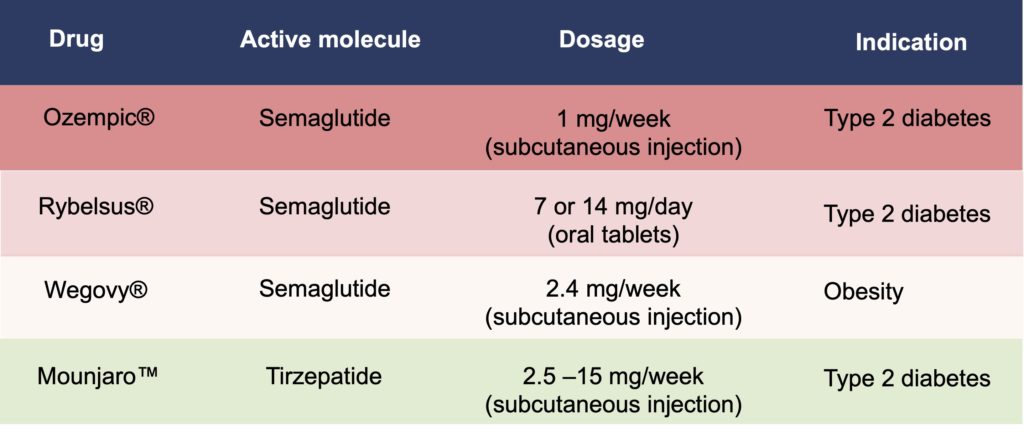
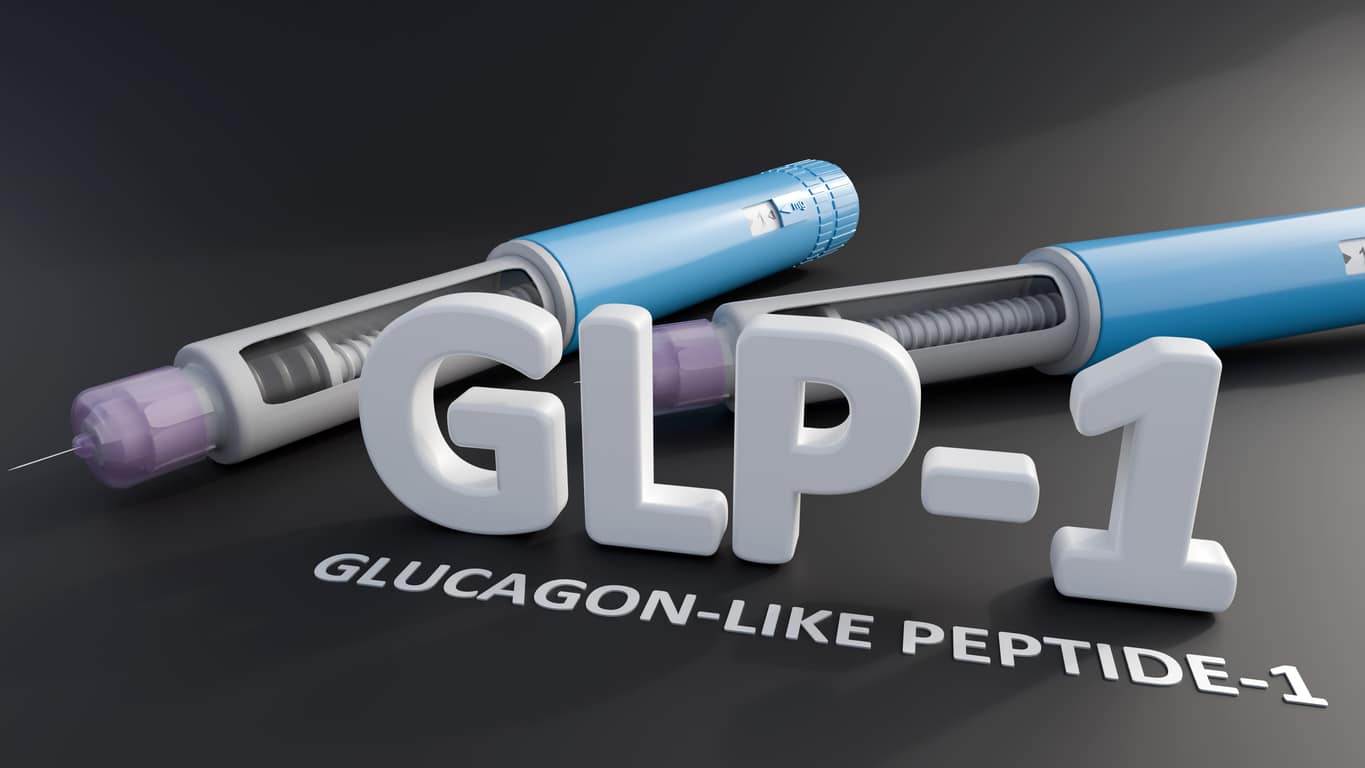
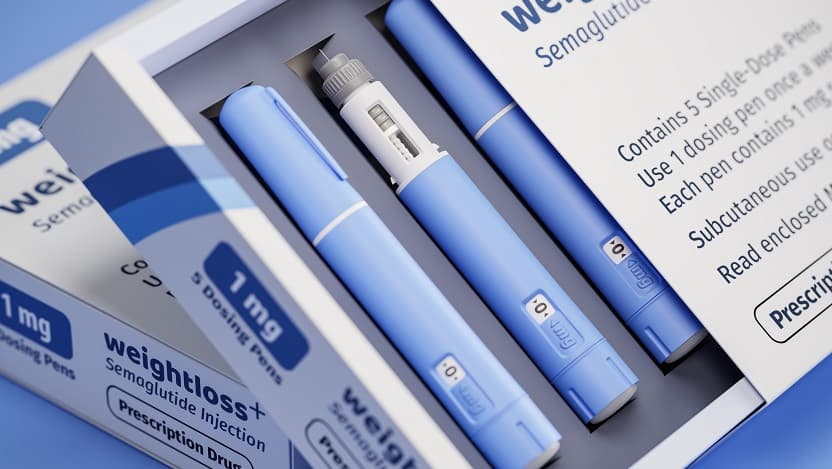
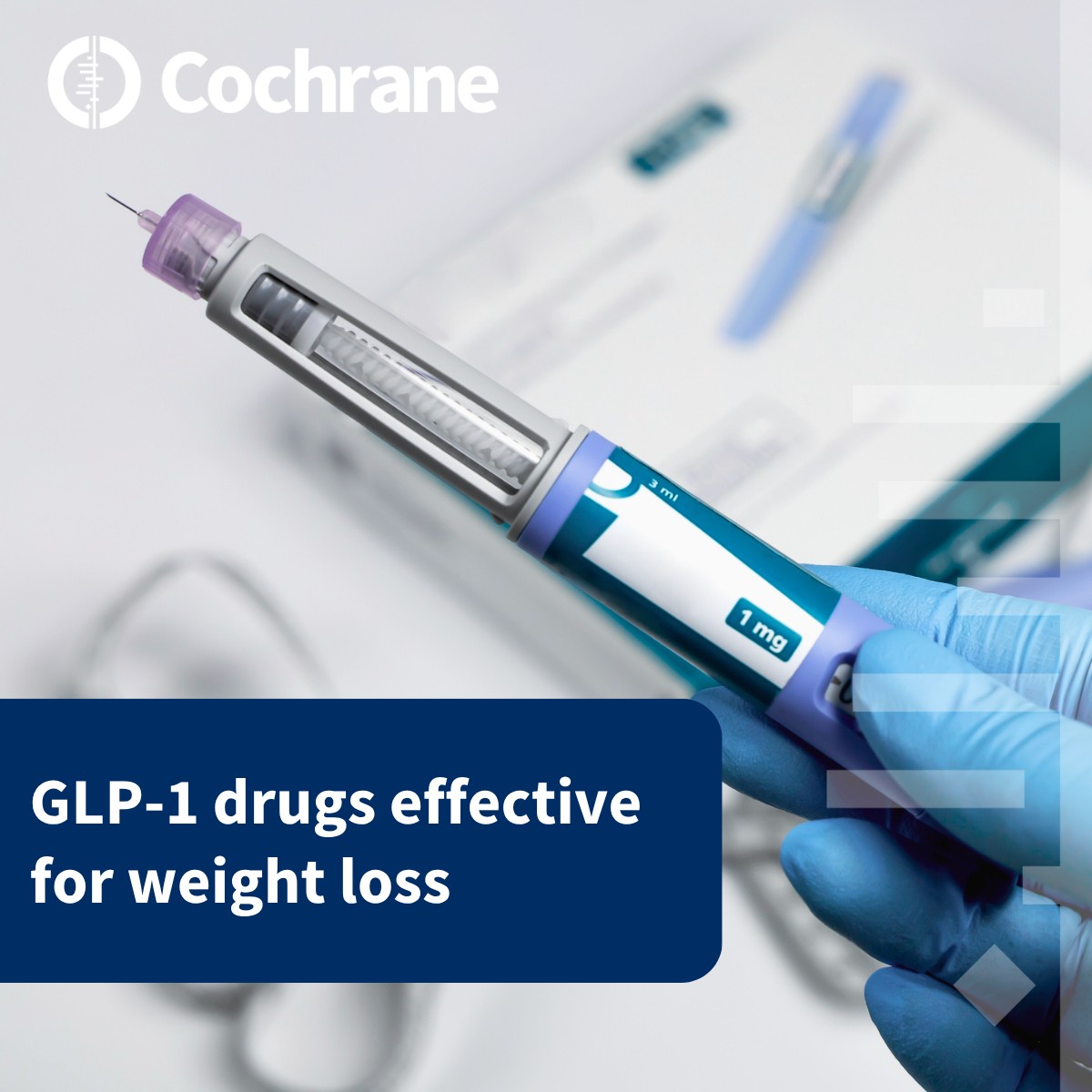
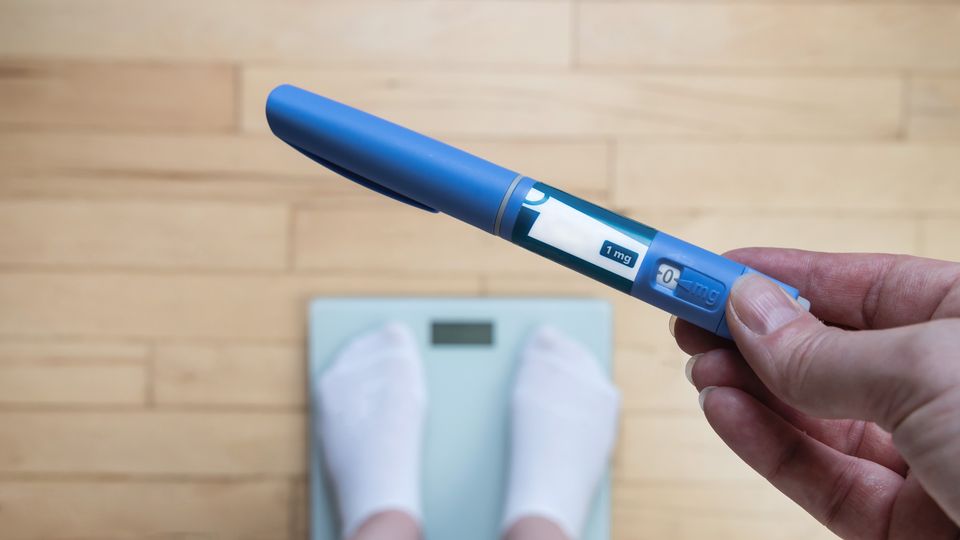
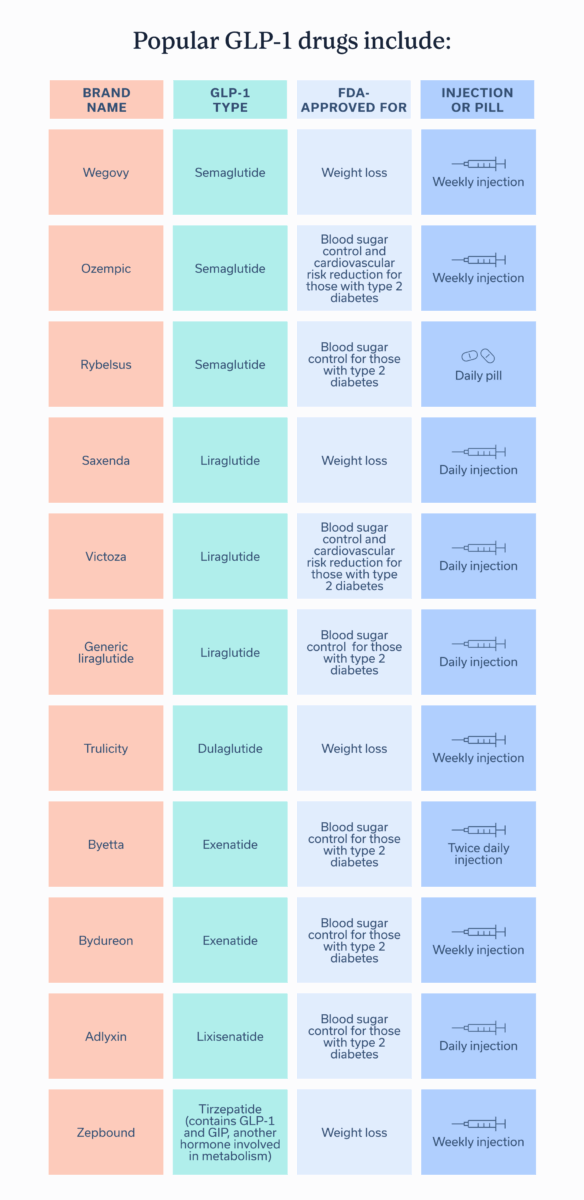
GLP-1 receptor agonists (semaglutide, liraglutide, dulaglutide, tirzepatide) slow gastrointestinal transit, causing constipation in up to 1 in 10 patients






:max_bytes(150000):strip_icc()/Health-GettyImages-2236560849-a1934f1e4c004a19835cb508d021388b.jpg)





,type=downsize)


